High-Potassium Foods and Their Role in the DASH Diet for Blood Pressure Management
Doctor Chef
2/9/20263 min read

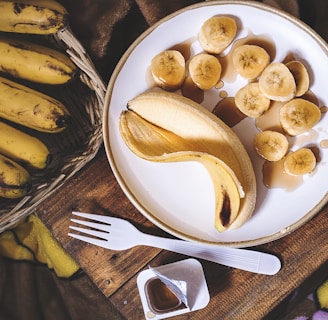
The DASH diet emphasizes potassium-rich foods including fruits, vegetables, low-fat dairy products, whole grains, nuts, legumes, poultry, and fish.[1-2] The 2100-kcal version of the DASH diet provides approximately 4.7 g/day (120 mmol/day) of potassium, placing intake near the 75th percentile of U.S. consumption.[1][3]
Why Potassium Matters for Blood Pressure Control
Increased potassium intake significantly lowers blood pressure in both hypertensive and normotensive individuals.[3] Meta-analyses demonstrate that a net increase in urinary potassium excretion of 2 g/day (50 mmol/day) reduces systolic and diastolic blood pressure by 4.4 and 2.5 mm Hg in hypertensive individuals, and by 1.8 and 1.0 mm Hg in normotensive individuals.[3] The blood pressure-lowering effects are particularly striking in Black individuals and those consuming higher sodium intakes.[2-3]
Key High-Potassium Foods in the DASH Diet
The DASH eating plan recommends:
Fruits: 5 servings per day
Vegetables: 4 servings per day
Low-fat dairy products: 2 servings per day
Whole grains, nuts, and legumes: regular inclusion
Lean proteins: poultry and fish[1-2]
Consuming whole foods rather than potassium supplements is strongly preferred.[3-4] Foods naturally high in potassium provide additional beneficial nutrients including magnesium, calcium, and fiber, which work synergistically to lower blood pressure through multiple physiological mechanisms affecting vascular function, glucose tolerance, inflammation, and oxidative stress.[1][5]
Clinical Evidence
The original DASH trial demonstrated that this dietary pattern reduced systolic blood pressure by 5.5 mm Hg and diastolic blood pressure by 3.0 mm Hg compared to a control diet.[1-2] Greater adherence to the DASH diet correlates directly with higher potassium intake (r = 0.42), and controlling for potassium attenuates the DASH-blood pressure relationship, suggesting potassium is a key mediator of the diet's antihypertensive effects.[6]
High-Potassium Foods by DASH Diet Category
The DASH diet emphasizes specific food groups rich in potassium, including fruits, vegetables, low-fat dairy products, whole grains, nuts, legumes, poultry, and fish.[1-3] While the medical literature focuses on food categories rather than listing individual foods with specific potassium values, the following examples represent commonly consumed high-potassium foods within each DASH category.
Fruits (5 servings/day)
High-potassium fruits commonly included in the DASH pattern include:
Bananas
Oranges and orange juice
Cantaloupe
Honeydew melon
Apricots
Grapefruit
Prunes and prune juice
Vegetables (4 servings/day)
Potassium-rich vegetables emphasized in DASH include:
Sweet potatoes
White potatoes
Tomatoes and tomato products
Spinach
Swiss chard
Winter squash (acorn, butternut)
Beet greens
Low-Fat Dairy Products (2 servings/day)
Low-fat dairy products provide both potassium and calcium, which work synergistically to lower blood pressure:[4]
Low-fat or fat-free milk
Low-fat or fat-free yogurt
Low-fat cheese
Whole Grains
Whole grain options in the DASH diet include:
Whole wheat bread
Brown rice
Oatmeal
Whole grain cereals
Nuts and Legumes
Nuts and legumes are particularly rich in potassium and are regularly included in the DASH pattern:[2-3]
Beans (kidney, lima, white, black)
Lentils
Almonds
Peanuts
Sunflower seeds
Lean Proteins
The DASH diet includes poultry and fish while reducing red meat:[1-2]
Chicken
Turkey
Salmon
Tuna
Halibut
Why These Foods Work
These whole foods provide potassium along with magnesium, calcium, and fiber, which work through overlapping metabolic pathways to lower blood pressure.[5-6] The DASH diet provides approximately 4.7 g/day (120 mmol/day) of potassium, placing intake near the 75th percentile of U.S. consumption.[1] Greater adherence to DASH correlates directly with higher potassium intake (r = 0.42), and controlling for potassium attenuates the DASH-blood pressure relationship, suggesting potassium is a key mediator of the diet's antihypertensive effects.[6]
Check out this doctor-created 7 day DASH Diet meal plan and grocery list
https://doctorchefusa.com/the-ultimate-7-day-dash-diet-meal-plan-and-grocery-list
REFERENCES
1.Diets.
The New England Journal of Medicine. 2024. Yannakoulia M, Scarmeas N.
2.Treatment of Hypertension: A Review.
The Journal of the American Medical Association. 2022. Carey RM, Moran AE, Whelton PK.
Hypertension. 2006. Appel LJ, Brands MW, Daniels SR, et al.Guideline
4.Diagnosis and Management of Hypertension (HTN) in Primary Care (2020).
Department of Veterans Affairs. 2020. Angela A. Allerman PharmD BPCS, Jennifer Ballard-Hernandez DNP NP CCRN, Dan Berlowitz MD MPH, et alGuideline
Nutrition Research Reviews. 2020. Akhlaghi M.
The American Journal of Clinical Nutrition. 2022. Chan Q, Wren GM, Lau CE, et al.
Doctor Chef
Explore our sleek website template for seamless navigation.
Contact
Newsletter
info@doctorchefusa.com
© 2024. All rights reserved.