5 Diabetes Breakfast Ideas That Won’t Spike Your Blood Sugar
Doctor Chef
2/9/20262 min read
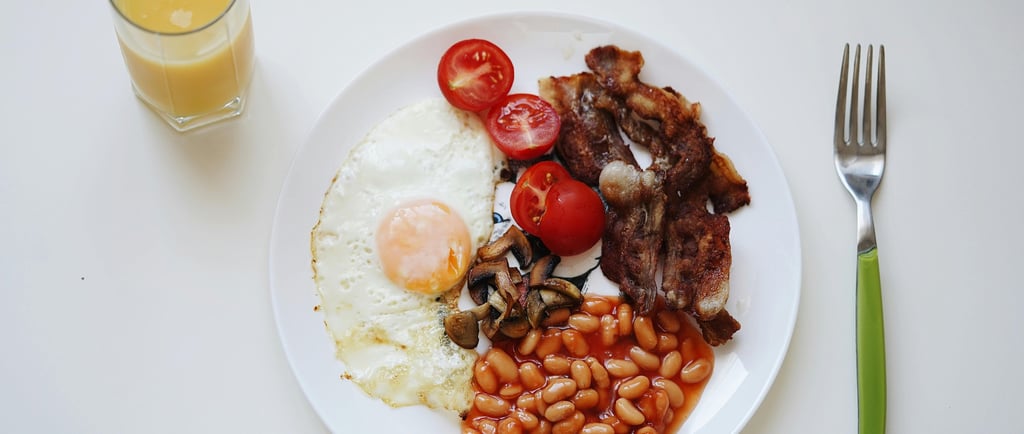
Low-carbohydrate, high-fiber breakfast options are particularly effective at preventing blood sugar spikes, as breakfast often results in the largest postprandial hyperglycemic excursion in people with type 2 diabetes.[1] Research demonstrates that restricting carbohydrates at breakfast alone is sufficient to reduce 24-hour exposure to postprandial hyperglycemia and improve glycemic variability.[1]
Five Diabetes-Friendly Breakfast Options
1. Vegetable Omelet with Avocado
A 2-3 egg omelet filled with nonstarchy vegetables (spinach, bell peppers, tomatoes, mushrooms) cooked in olive oil and served with sliced avocado provides lean protein and healthy fats while keeping carbohydrates minimal.[2-3] This combination delivers sustained energy without glucose spikes.
2. Greek Yogurt Parfait with Nuts and Berries
Low-fat Greek yogurt layered with a small portion of berries (which have lower glycemic impact) and topped with almonds or walnuts provides protein, probiotics, and fiber.[3-4] The protein and fat help blunt the glycemic response from the fruit.
3. Steel-Cut Oatmeal with Nuts and Cinnamon
Large flake oatmeal or oat bran topped with chopped nuts (almonds, walnuts, or pecans) and cinnamon creates a low-glycemic breakfast. Cinnamon reduces postprandial glucose excursion by slowing gastric emptying, while the nuts add protein and healthy fats.[5-6]
4. Whole Grain Toast with Nut Butter and Vegetables
Pumpernickel or rye bread (both low-glycemic options) topped with natural peanut or almond butter, served alongside raw vegetables like cucumber or bell pepper strips.[5] This provides fiber, protein, and healthy fats while keeping the glycemic load moderate.
5. Breakfast Bowl with Beans and Vegetables
Black beans or lentils sautéed with vegetables (onions, peppers, tomatoes), topped with a poached egg and served with a small portion of whole grain toast. Legumes are particularly effective at reducing postprandial glucose responses.[3][5-6]
Key Takeaways
Consuming breakfast improves glucose and insulin responses throughout the day compared to skipping breakfast[7]
Partially replacing rapidly available carbohydrate with whole grains, cereal fibers, proteins, and unsaturated fatty acids produces favorable metabolic outcomes[7]
The American Diabetes Association recommends emphasizing nonstarchy vegetables, whole fruits, legumes, lean proteins, whole grains, nuts and seeds, and low-fat dairy while minimizing processed foods[3]
Eating vegetables or protein first, followed by starchy foods, leads to ameliorated glycemic and insulin responses[4]
These breakfast options align with evidence-based nutritional strategies that reduce carbohydrate intake through limiting processed foods while emphasizing nutrient-dense, minimally processed plant-based foods.[3][6]
Check out our doctor-created 7 day meal plan and grocery list for managing diabetes. Click the link below
References
The American Journal of Clinical Nutrition. 2019. Chang CR, Francois ME, Little JP.
The American Journal of Clinical Nutrition. 2023. Oliveira BF, Chang CR, Oetsch K, et al.
Diabetes Care. 2025. American Diabetes Association Professional Practice Committee for Diabetes*.GuidelineNew
Nutrients. 2022. Papakonstantinou E, Oikonomou C, Nychas G, Dimitriadis GD.
5.Effect of a Low–Glycemic Index or a High–Cereal Fiber Diet on Type 2 Diabetes: A Randomized Trial.
The Journal of the American Medical Association. 2008. Jenkins DJ, Kendall CW, McKeown-Eyssen G, et al.
Journal of the American College of Cardiology. 2008. O'Keefe JH, Gheewala NM, O'Keefe JO.
Advances in Nutrition. 2016. Maki KC, Phillips-Eakley AK, Smith KN.
Doctor Chef
Explore our sleek website template for seamless navigation.
Contact
Newsletter
info@doctorchefusa.com
© 2024. All rights reserved.