Managing Low Iron Levels Through Diet: A Guide for Persons Dealing with Iron Deficiency Anemia
Doctor Chef
1/24/20264 min read
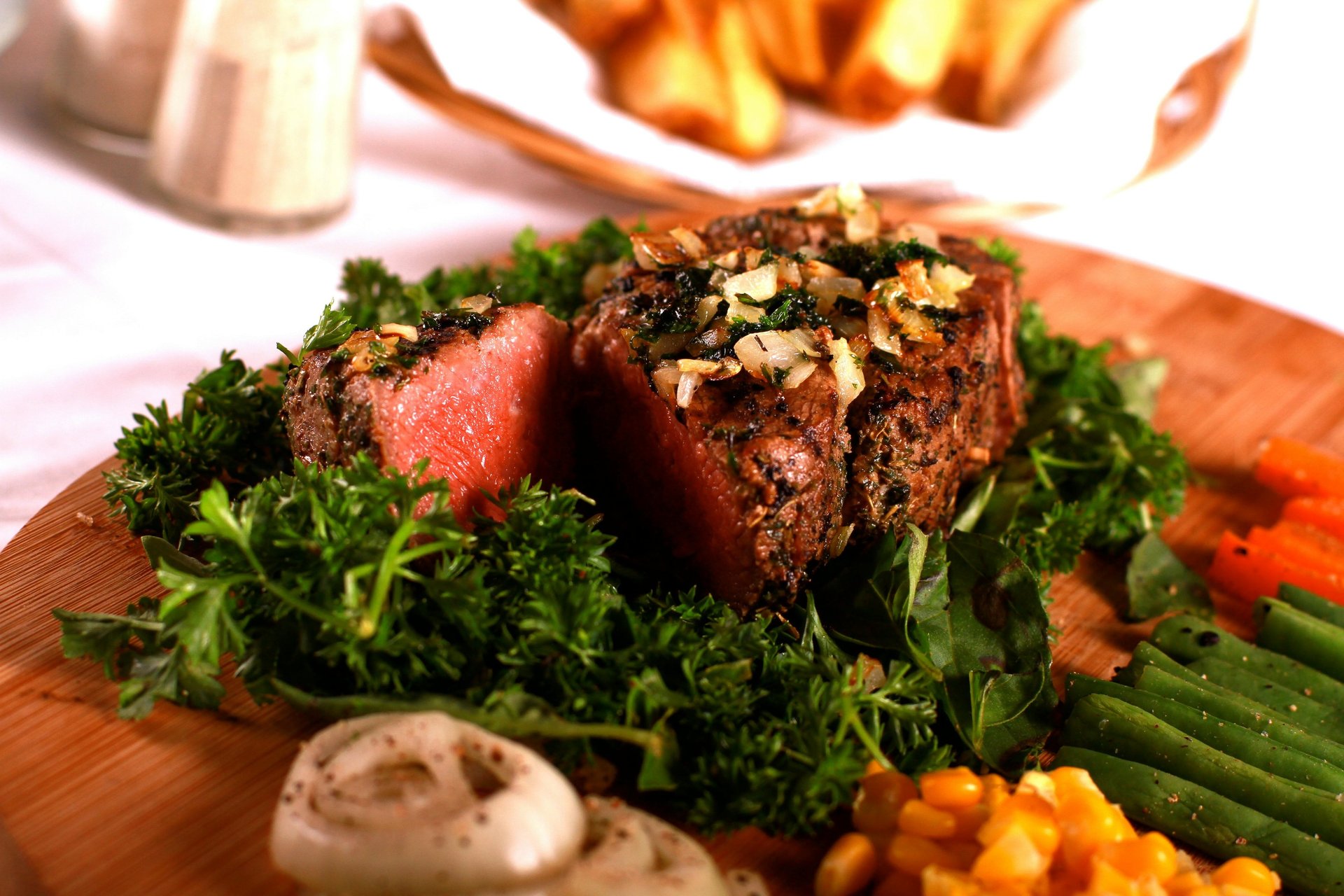
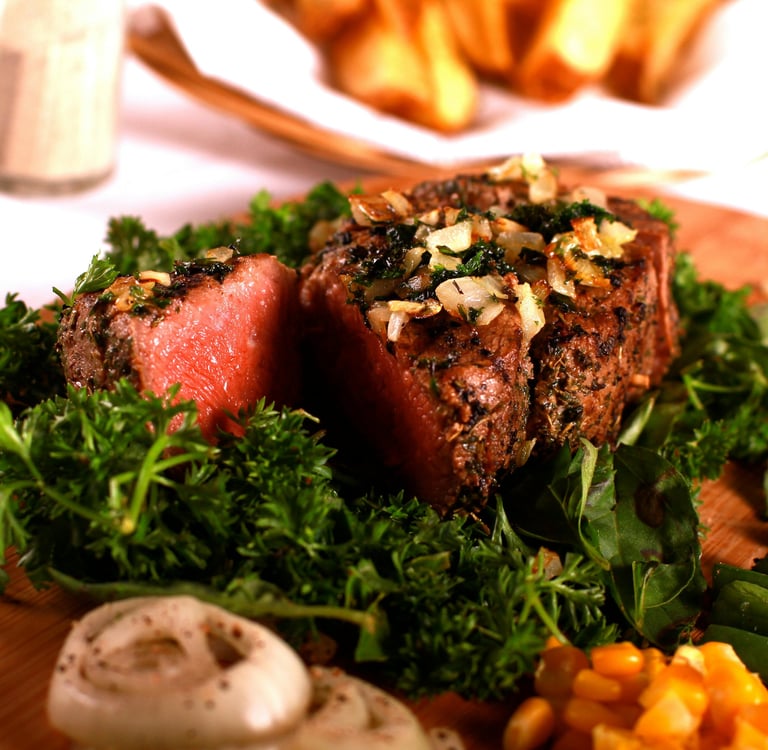
The most effective way to improve low iron levels is through iron supplementation (pills or intravenous iron), as eating more iron-rich foods alone generally does not fully replenish iron stores.[1] However, dietary changes can support treatment and help prevent iron deficiency from recurring.
Foods to Eat
Focus on iron-rich foods, especially those containing heme iron (the most easily absorbed form), along with foods that help your body absorb iron better.[2]
Best iron sources:
- Meat and animal proteins: Beef, pork, lamb, poultry, fish, and organ meats (liver, kidney) contain heme iron, which your body absorbs 10 times better than iron from plant sources[3]
- Plant-based iron sources: Beans, lentils, chickpeas, green leafy vegetables (spinach, kale), dried fruits, nuts, whole grain breads, and iron-fortified cereals[2][4]
Foods that boost iron absorption:
- Vitamin C-rich foods: Citrus fruits, tomatoes, strawberries, kiwis, melons, peppers, broccoli, cabbage, and potatoes help your body absorb iron more efficiently[2][4]
- Meat protein: Eating meat with plant-based iron sources improves absorption of the plant iron[3][5]
Practical tip: Take your iron supplement with 500 mg of vitamin C or eat vitamin C-rich foods with iron-rich meals to maximize absorption.[5][1]
Foods and Drinks to Avoid (Around Iron-Rich Meals)
Tea and coffee are powerful blockers of iron absorption—tea can reduce iron absorption by up to 90%.[2][3] Avoid drinking tea or coffee within 1 hour before or after taking iron supplements or eating iron-rich meals.[5][1]
Other absorption blockers to limit around iron intake:
- Calcium-rich foods: Milk, cheese, yogurt, and calcium supplements can interfere with iron absorption[2][3]
- High-fiber foods and whole grains (when eaten at the same time as iron)[3]
- Foods containing phytates: Found mainly in cereals and grains[2]
Important note: You don't need to eliminate these healthy foods from your diet—just avoid consuming them at the same time as your iron supplement or iron-rich meals.
Practical Tips for Improving Iron Status
Take Iron Supplements Correctly
Take iron supplements once daily or every other day, not multiple times per day. Your body can only absorb a limited amount at once, and taking it more frequently increases side effects without improving absorption.[5] The most common and affordable option is ferrous sulfate (325 mg daily).[3][5]
Timing matters: Iron absorbs best on an empty stomach, but if this causes stomach upset, take it with a meal that contains meat.[3][5] Taking smaller doses may reduce side effects like constipation, stomach pain, and nausea.[3][5]
Optimize Your Meals
- Combine foods strategically: Eat meat with plant-based iron sources and add vitamin C-rich foods to meals[5][6]
- Separate calcium and iron: Don't take calcium supplements or eat calcium-rich foods within an hour of taking iron[5][1]
- Skip tea and coffee around supplement time and iron-rich meals[5][1]
Work with Healthcare Professionals
See your doctor to identify and treat the cause of your iron deficiency, whether it's heavy menstrual bleeding, digestive problems, or inadequate diet.[7][1] Some people may need intravenous iron instead of pills, especially if they have ongoing bleeding, poor iron absorption (from conditions like celiac disease or after weight-loss surgery), or chronic inflammatory conditions.[7][1]
Consider consulting a nutritionist to develop a personalized eating plan that increases dietary iron intake while fitting your lifestyle and preferences.[5]
Be Patient and Persistent
Iron levels don't improve overnight. Your blood count should start rising within 2 weeks of starting iron treatment, but you'll need to continue taking iron until your stores are fully replenished, which can take several months.[3]
If you're not improving after several weeks of iron supplementation, talk to your doctor. You may need a different form of iron, have an absorption problem, or have ongoing blood loss that needs to be addressed.[3]
Special Considerations
For pregnant women: Iron needs increase significantly during pregnancy. If you're in your second or third trimester, you may need intravenous iron rather than pills for faster and more complete iron replacement.[7][1]
For vegetarians and vegans: Since plant-based diets contain only non-heme iron (the less absorbable form), pay extra attention to combining iron-rich plant foods with vitamin C sources at every meal.[8]
The key to successfully managing low iron levels is combining proper supplementation with smart dietary choices—eating iron-rich foods with absorption enhancers while avoiding blockers around supplement time and iron-rich meals.
References
What Is Iron Deficiency?. Voelker R. JAMA. 2025;:2837949. doi:10.1001/jama.2025.12429.
Iron Deficiency Anaemia. Lopez A, Cacoub P, Macdougall IC, Peyrin-Biroulet L. Lancet (London, England). 2016;387(10021):907-16. doi:10.1016/S0140-6736(15)60865-0.
Microcytic Anemia. DeLoughery TG. The New England Journal of Medicine. 2014;371(14):1324-31. doi:10.1056/NEJMra1215361.
School Health Guidelines to Promote Healthy Eating and Physical Activity. MMWR. Recommendations and Reports : Morbidity and Mortality Weekly Report. Recommendations and Reports. 2011;60(RR-5):1-76.
AGA Clinical Practice Update on Management of Iron Deficiency Anemia: Expert Review. DeLoughery TG, Jackson CS, Ko CW, Rockey DC. Clinical Gastroenterology and Hepatology : The Official Clinical Practice Journal of the American Gastroenterological Association. 2024;22(8):1575-1583. doi:10.1016/j.cgh.2024.03.046.
Dietary Determinants of and Possible Solutions to Iron Deficiency for Young Women Living in Industrialized Countries: A Review. Beck KL, Conlon CA, Kruger R, Coad J. Nutrients. 2014;6(9):3747-76. doi:10.3390/nu6093747.
Iron Deficiency in Adults: A Review. Auerbach M, DeLoughery TG, Tirnauer JS. JAMA. 2025;333(20):1813-1823. doi:10.1001/jama.2025.0452.
Iron Deficiency. Pasricha SR, Tye-Din J, Muckenthaler MU, Swinkels DW. Lancet (London, England). 2021;397(10270):233-248. doi:10.1016/S0140-6736(20)32594-0.
Doctor Chef
Explore our sleek website template for seamless navigation.
Contact
Newsletter
info@doctorchefusa.com
© 2024. All rights reserved.